🩰 Common Ballet Mistake: Dropping Elbows (and How to Fix It)
In ballet, every line matters. From the curve of the fingertips to the placement of the head, each detail contributes to the overall harmony of movement. One of the most common — and often overlooked — mistakes dancers make is dropping their elbows. Though it seems small, this habit can break the beauty of your port de bras, disrupt your posture, and make even the most graceful arms appear heavy and lifeless.
Let’s explore why this happens and how to fix it, so you can bring elegance, lift, and strength into every movement.
💡 Why Dropping Elbows Happens
Many dancers, especially beginners, believe that “soft arms” means relaxed and floppy arms. In reality, soft should never mean lifeless. Ballet arms are alive with energy — controlled, lifted, and supported from the back.
Here are the most common causes of dropped elbows:
- Weak upper back or shoulder muscles — the arms lack support and start to sag.
- Tension in the neck or wrists — overcompensating by gripping or collapsing.
- Forgetting the source of movement — arms should flow from the back, not the hands.
- Losing awareness in transitions — elbows tend to drop at the end of a port de bras when focus shifts elsewhere.
In the Cecchetti method and all classical ballet systems, placement is everything. When the elbows drop, the energy line that should extend gracefully from your back through your arms is interrupted, breaking the visual harmony of your movement.
🎯 How to Fix It: Engaging the Right Muscles
The key to beautiful, lifted arms lies not in the hands or shoulders but in the upper back — particularly the latissimus dorsi, rhomboids, and serratus muscles.
To activate these, imagine you’re wearing a soft cape that wraps gently around your upper body. As you raise your arms, picture that cape lifting and widening behind you. This mental image helps engage the right muscles without creating tension.
Another cue: think of your arms as floating from your back, not being “held up” by your hands. This simple mindset change will immediately transform your port de bras.
🦢 Perfecting the Line: Elbows Above the Wrists
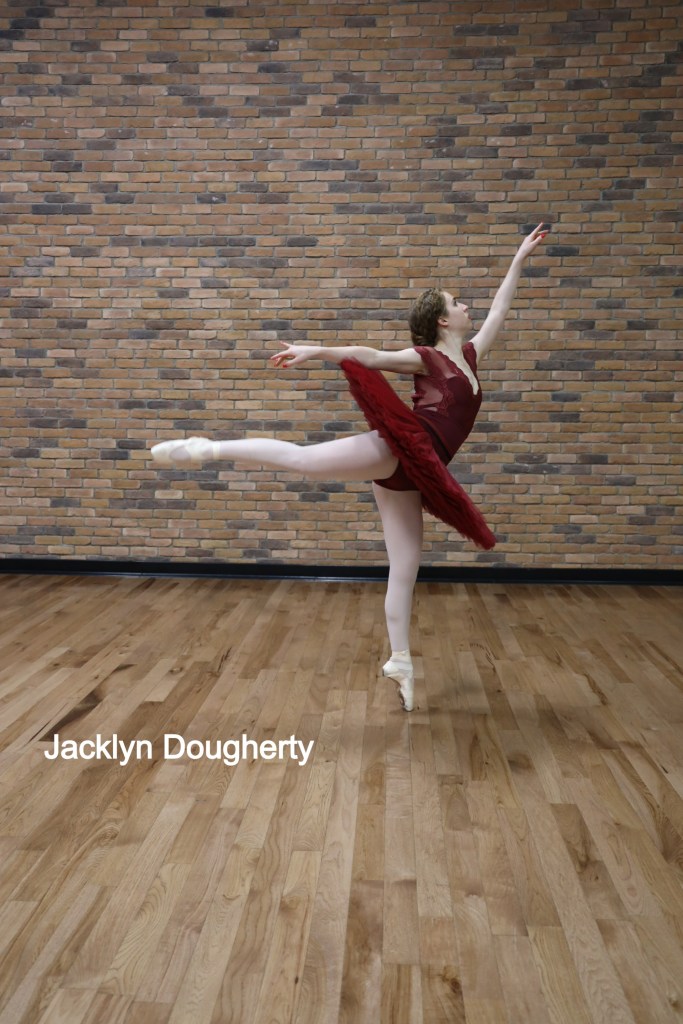
In most ballet positions — especially first, second, and fifth en avant — the elbow should be slightly higher than the wrist, creating a gentle, lifted oval shape.
If the elbow drops below the wrist, the line collapses, and your port de bras loses its buoyancy.
To practice this:
- Stand in front of a mirror.
- Bring your arms to second position.
- Check: are your wrists higher than your elbows? If yes, gently lift the elbows until they’re just above wrist level.
- Maintain that lift from your back, not your hands.
You’ll feel a sense of energy radiating outward through your arms — that’s the alive, graceful feeling you’re aiming for.
🌸 Posture and Shoulder Alignment
Proper elbow placement also depends on shoulder stability. If your shoulders roll forward or upward, the elbows naturally drop.
Before dancing, try this:
- Roll your shoulders up, back, and down.
- Imagine your collarbones smiling wide across your chest.
- Keep that open posture as you move through port de bras.
This subtle shift creates space and lift through the upper body, allowing your elbows to float naturally without extra effort.
💪 Simple Strength Exercise
Here’s a quick daily exercise to strengthen the supporting muscles for lifted arms:
- Stand tall in first position with arms in second.
- Hold for 10 seconds, focusing on keeping elbows lifted from the back.
- Rest for 5 seconds, then repeat 3 times.
You can also do “wall angels”: stand with your back against the wall, arms bent at 90°, and slide them up and down slowly while keeping the elbows and wrists connected to the wall. This builds endurance in the upper back — the secret to long, elegant lines.
🌟 Bringing It All Together
When your elbows are lifted, your entire port de bras transforms.
Your shoulders stay open, your neck looks longer, and your arms appear weightless. This is where technique meets artistry — the physical strength of the back supporting the poetic softness of the hands.
Remember these cues:
- “Lift from your back, not your hands.”
- “Elbows float, wrists follow.”
- “Collarbones wide, shoulders calm.”
Dropping elbows may be a common ballet mistake, but it’s also one of the easiest to correct once you develop awareness and consistency.
With practice, you’ll find that your arms no longer feel heavy — they’ll move as a true extension of your body, expressing grace, control, and the timeless beauty of ballet.
For more ballet visit Jacklyn Dougherty home page and social media at Jacklyn Dougherty
Much Love