Croisé (Cwah-ZAY) how to tballet 400 words
Croisé (Cwah-ZAY): How to Do It in Ballet
Croisé is one of the four basic directions of the body in classical ballet and is essential for understanding épaulement, alignment, and stage orientation. The word croisé comes from the French word meaning “crossed,” which describes how the legs and body are positioned in relation to the audience. Mastering croisé helps dancers create depth, elegance, and classical style in both simple exercises and advanced choreography.
What Is Croisé?
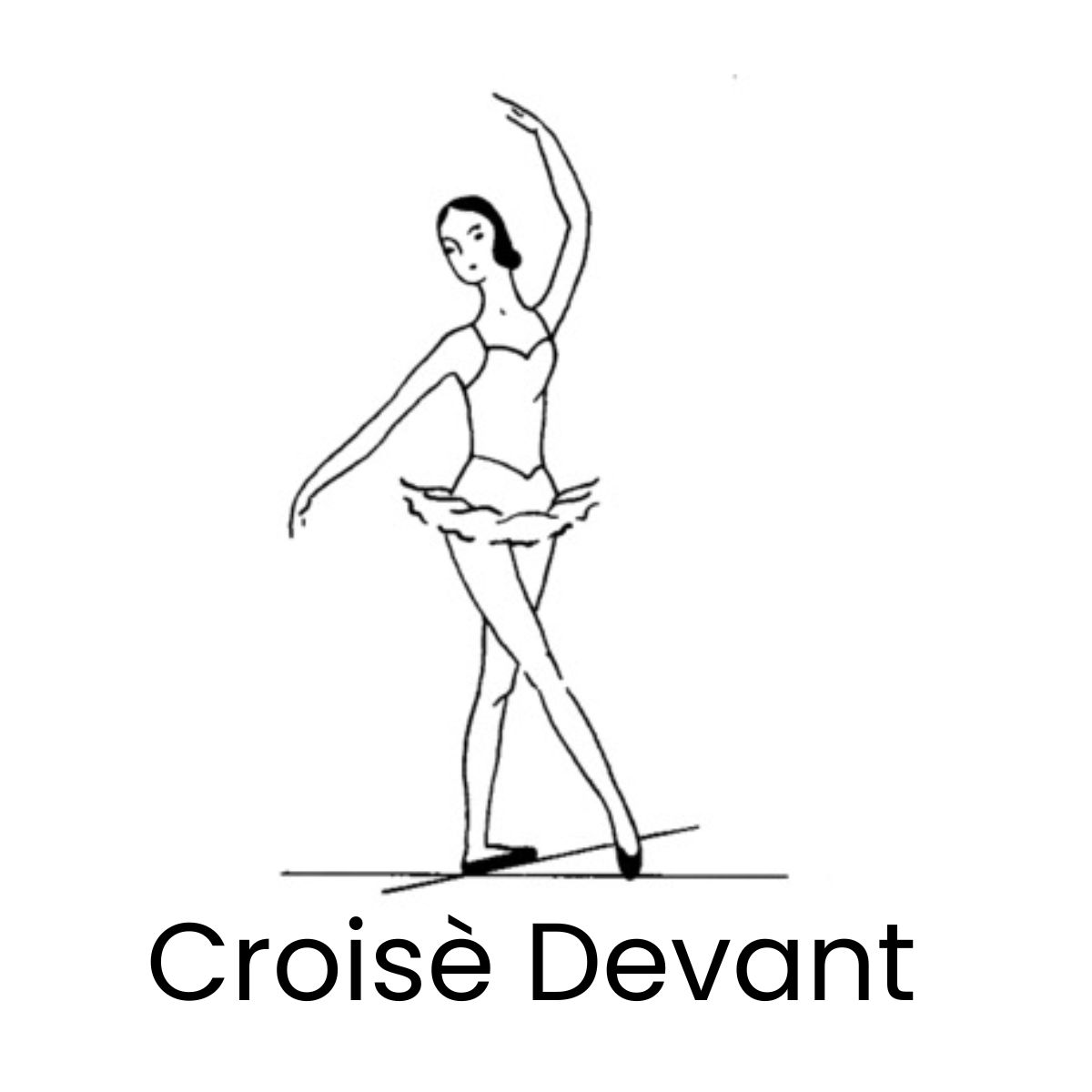
In croisé, the dancer stands at a slight diagonal to the audience so that the working leg appears crossed in front of the body from the viewer’s perspective. This can be done with the leg extended to the front (croisé devant) or to the back (croisé derrière). The shoulders and head are gently turned to enhance épaulement, giving the position its refined, sculptural quality.
How to Do Croisé Step by Step
Begin in fifth position, facing a diagonal rather than straight front. Imagine your body angled toward the corner of the room. If you are working the front leg, step or extend it along the diagonal so it crosses the line of your standing leg. The hips remain square and level, with turnout coming from the top of the legs.
Your shoulders should be softly rotated to oppose the hips, creating épaulement. Typically, the shoulder closest to the audience is slightly forward, while the head turns gently toward the audience or down the front arm. This opposition between the legs, torso, and head gives croisé its elegant, classical appearance.
The arms coordinate naturally with the position. Often, the arm opposite the working leg is forward, while the other arm is open to the side. The exact arm placement may vary depending on the method or choreography, but the arms should always support the line without overpowering it.
Using Croisé in Ballet Technique
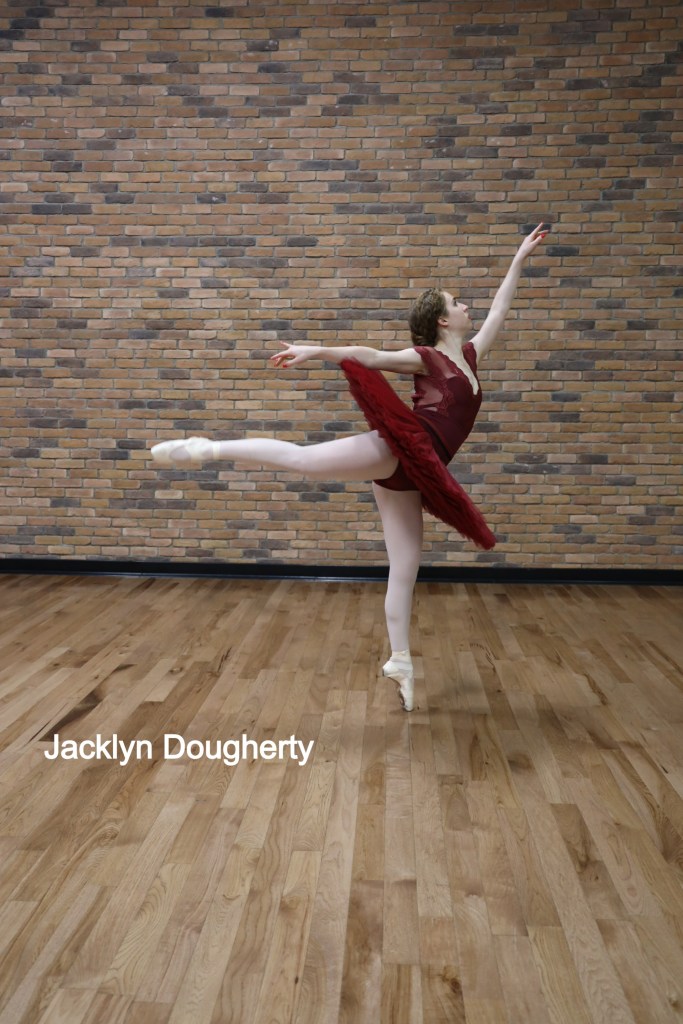
Croisé is used in many positions and movements, including tendu, dégagé, arabesque, attitude, and fondu. In jumps and turns, croisé helps dancers maintain spatial awareness and balance. Because the body is on a diagonal, it also encourages a sense of projection and stage presence.
Common Mistakes to Avoid
A common error is twisting the hips or shoulders too much, which breaks alignment. Another mistake is losing turnout or allowing the working leg to drift off its intended line. Croisé should look crossed but never forced.
Why Croisé Matters
Croisé trains dancers to understand direction, épaulement, and classical aesthetics. It adds depth and sophistication to movement and helps dancers perform with clarity and confidence. Learning croisé well is essential for developing strong classical ballet technique and expressive stage presence.