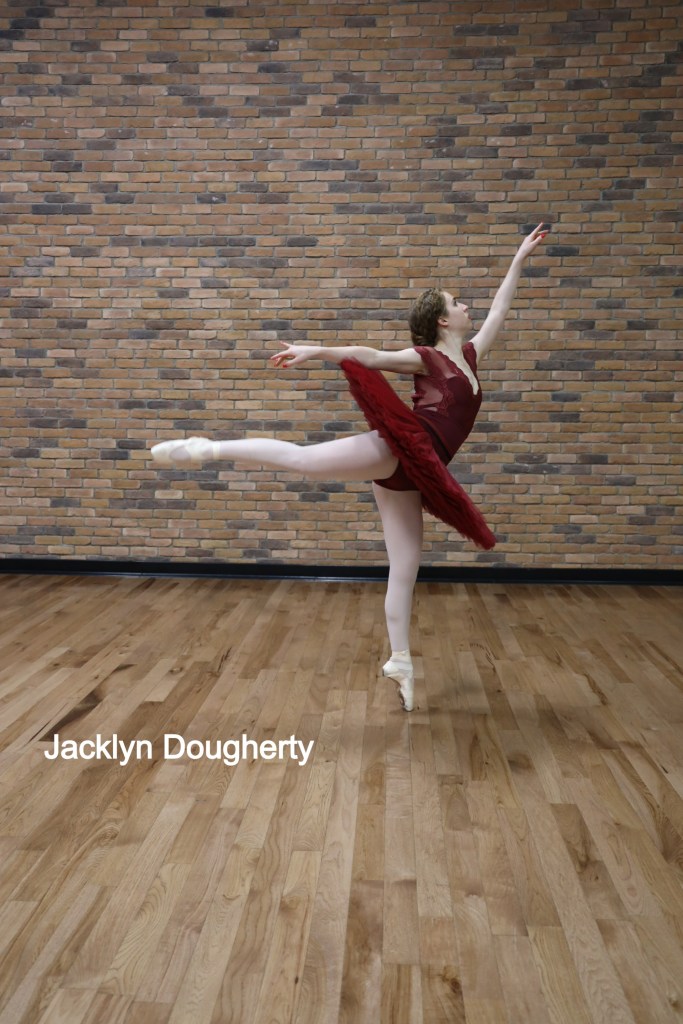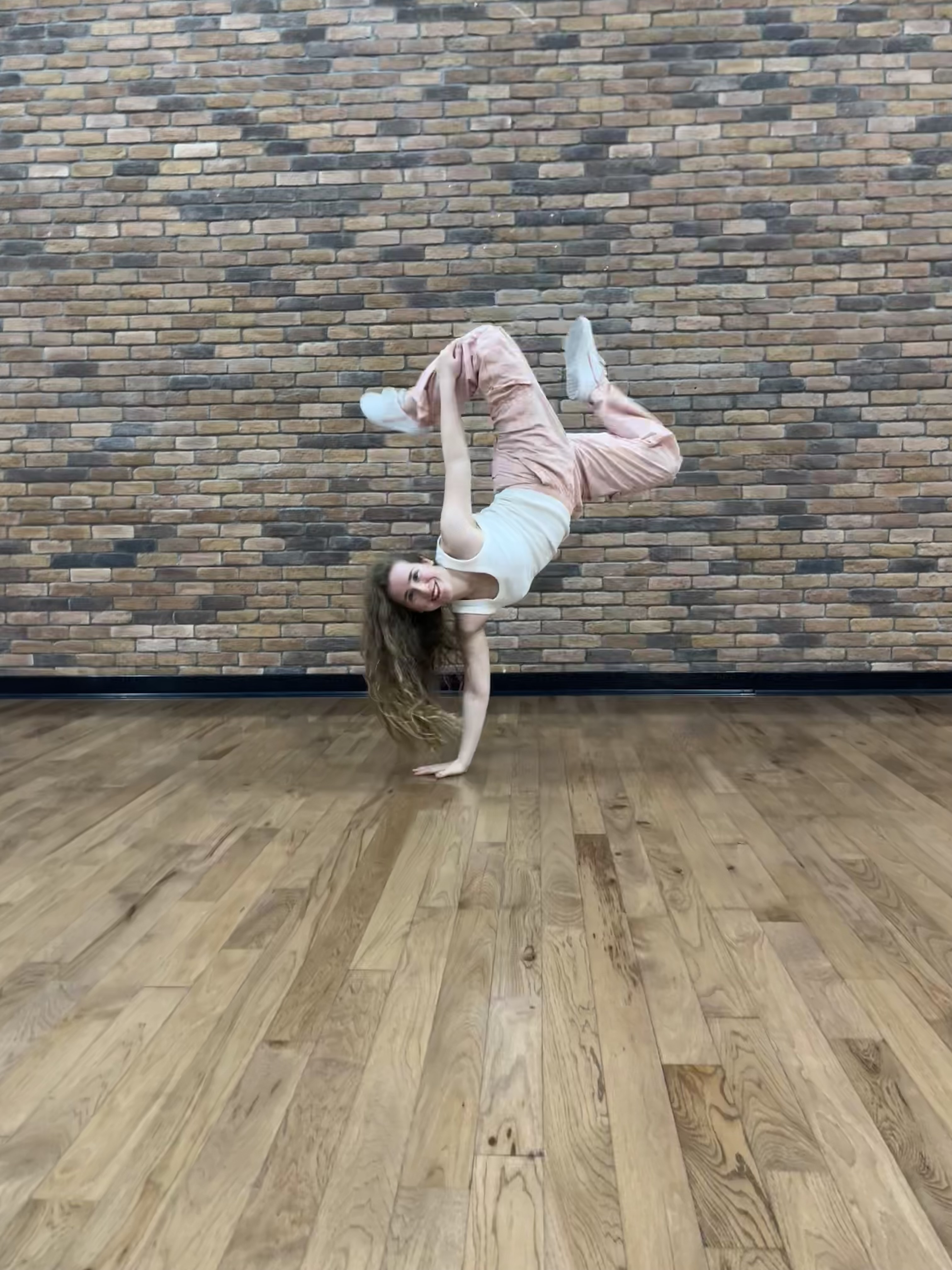
One-arm Handstand Jacklyn Dougherty
What Is This Dance Move Called?
If you’ve ever seen a dancer balanced upside down on one hand, you already know how impressive this move is. The position shown above is most commonly called a one-arm handstand. While the basic name is simple, the move actually goes by several different names depending on the dance style, context, and technique used.
One-Arm Handstand
This is the foundational name used across dance, gymnastics, yoga, and acrobatics. A one-arm handstand requires significant shoulder strength, core control, wrist stability, and balance. Unlike a traditional handstand, the dancer supports their entire body weight on a single arm.
One-Arm Handstand Freeze (Hip-Hop / Breaking)
In hip-hop and breaking culture, this move is often called a one-arm handstand freeze. A “freeze” is a pose held to hit a musical accent or beat. When a dancer holds the one-arm handstand momentarily, especially during a routine or freestyle, it becomes a visual punctuation mark in the music.
One-Arm Handstand with Leg Grab
Because the dancer is grabbing one leg while balancing, many dancers describe this variation informally as a one-arm handstand with leg grab. This version adds:
- Increased flexibility demands
- A stylized silhouette
- Extra difficulty due to asymmetrical weight distribution
This variation is common in contemporary dance, jazz-funk, and fusion choreography where athleticism meets aesthetics.
How This Differs from Similar Moves
It’s easy to confuse this move with other inverted positions, but there are key differences:
- Not an airbaby – an airbaby uses the elbow pressed into the torso for support.
- Not a two-hand handstand – all balance and control come from one arm.
- Not a freeze supported by the head – the head does not touch the floor.
Why Dancers Use This Move
Dancers love this move because it:
- Showcases strength and confidence
- Creates dramatic visual lines
- Transitions beautifully into floorwork or spins
- Adds a “wow factor” to choreography and freestyles
It’s especially popular in performance photography because of its sculptural quality and sense of suspended motion.
Training Tips (Beginner to Advanced)
To safely work toward this move, dancers often train:
- Two-hand handstands first
- Shoulder and wrist conditioning
- Core stabilization exercises
- Wall-assisted one-arm balance drills
Progression and proper warm-ups are essential to avoid injury.
Final Thoughts
The one-arm handstand—whether called a freeze, leg-grab variation, or simply a one-arm handstand—represents the blend of artistry and athleticism that defines modern dance. It’s a move that communicates strength, freedom, and control all at once.
For more please visit Jacklyn Dougherty website.