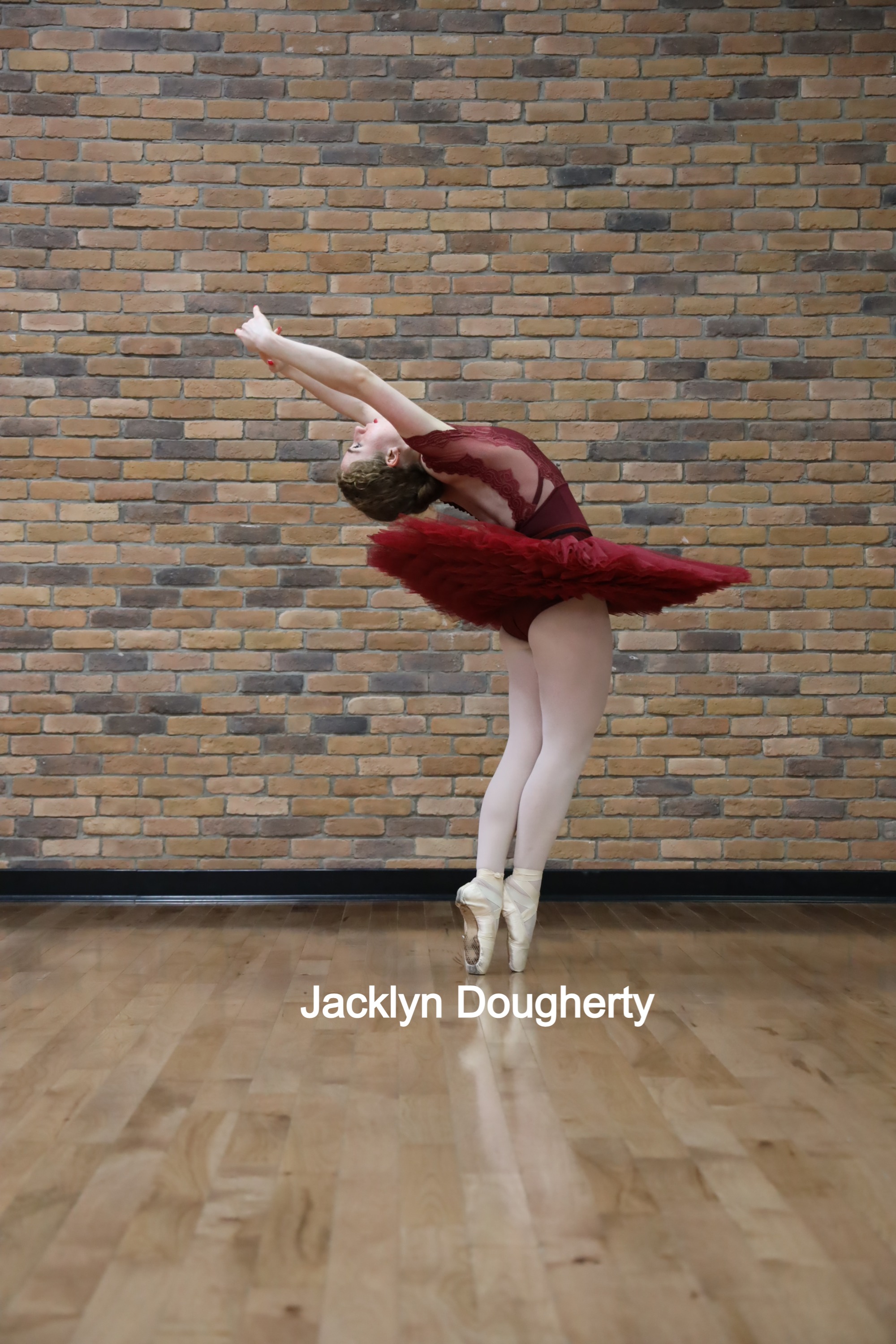
Temps leve Derriere
emps levé devant is a fundamental classical ballet jump that teaches dancers essential skills in elevation, balance, coordination, and clean footwork. Often introduced early in training, this step may appear simple, but mastering it correctly builds a strong technical foundation for more advanced jumps and allegro combinations.
What Is Temps Levé Devant?
The French term temps levé translates to “time raised” or “rising movement.” In ballet, it refers to a jump from one foot, landing on the same foot. The word devant means “to the front,” describing the working leg’s position. In temps levé devant, the dancer springs off one supporting leg while the free leg lifts or extends forward, usually through dégagé or brush action.
This step is commonly practiced en place, traveling, or on the diagonal and appears in both barre and center work.
Starting Position and Preparation
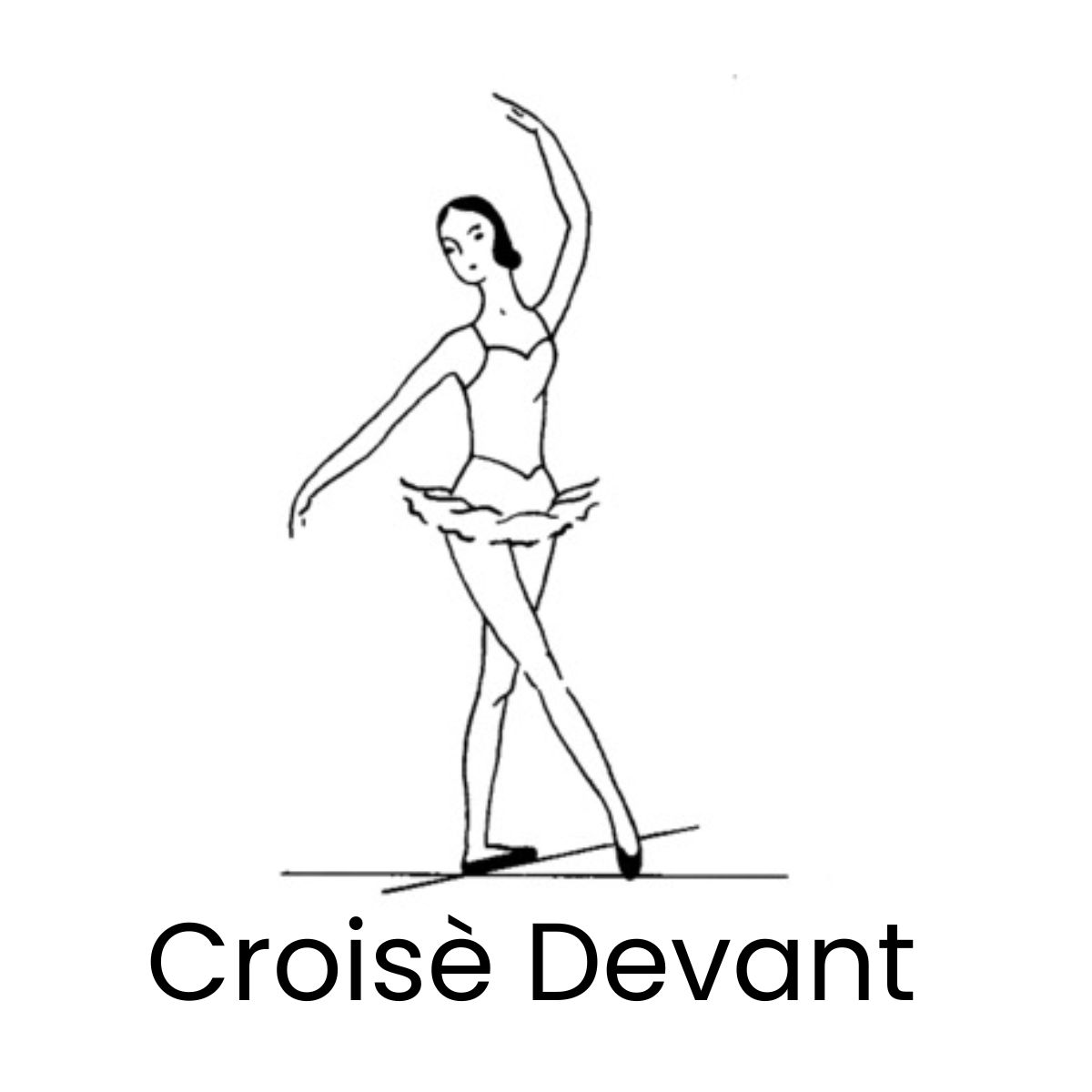
Temps levé devant typically begins from fifth position, cou-de-pied, or preparatory fourth, depending on the level and style. The dancer starts with a well-placed plié, ensuring the heels remain grounded and the knees track over the toes.
The arms are often held in bras bas, first position, or fifth en avant, depending on the exercise. Regardless of arm placement, the upper body must remain lifted and calm to support clean elevation.
How to Execute Temps Levé Devant
- Plié with Control
Begin with a deep yet elastic plié on the supporting leg. Engage the core and lengthen the spine upward. - Brush and Lift
As you push off the floor, the working foot brushes through the floor and lifts devant. The action should be quick, precise, and fully stretched. - Jump Straight Up
The supporting foot pushes strongly through the floor, pointing fully in the air. The pelvis stays neutral, and the torso remains upright. - Land Softly
Land on the same supporting foot through the toe, ball, and heel. Immediately absorb the landing with a controlled plié to protect the joints. - Finish with Balance
The working leg remains clearly placed in front, showing strong turnout and articulation.
Key Technique Points
- Turnout comes from the hips, not the knees or feet.
- Feet must be fully pointed in the air, even in small jumps.
- The brush is essential—never lift the leg without using the floor.
- Quiet landings demonstrate correct use of plié and muscle control.
- Stable arms and shoulders help maintain balance and classical line.
Common Mistakes to Avoid
Many dancers rush the movement, losing clarity in the brush and foot articulation. Another frequent mistake is lifting the working leg too high, which can disrupt alignment and balance. Overusing the upper body or gripping the shoulders also interferes with elevation and control.
Much Love
Jacklyn Dougherty