🌸 What Does Souplesse Mean in Ballet?
for the complete guide to ballet visit the home page much love Jacklyn Dougherty and Dr. Joni Dougherty Ed.D
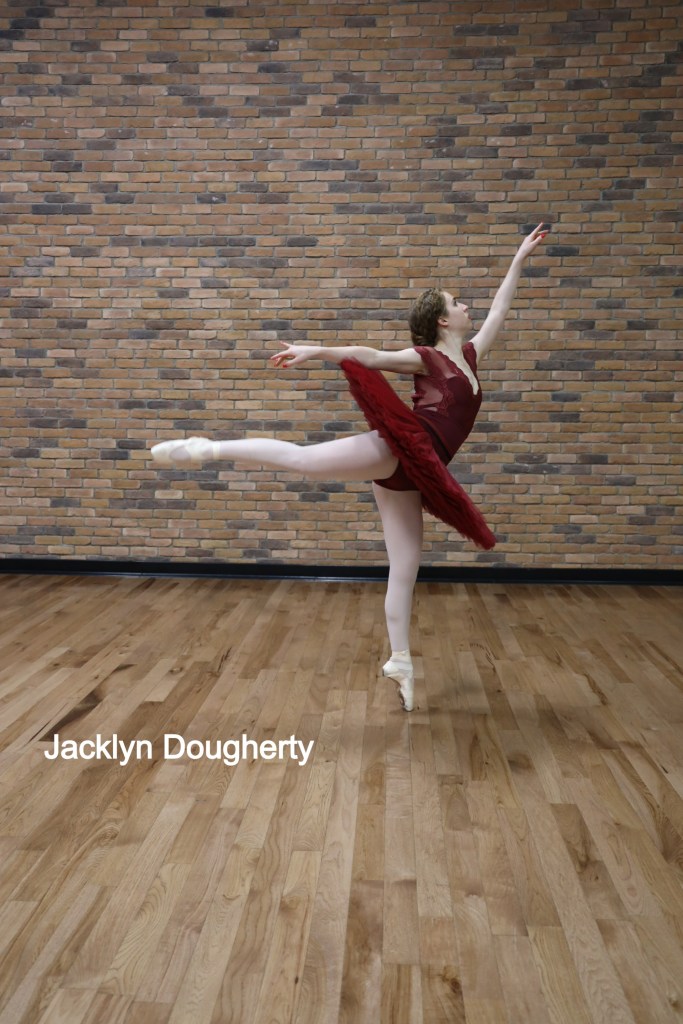
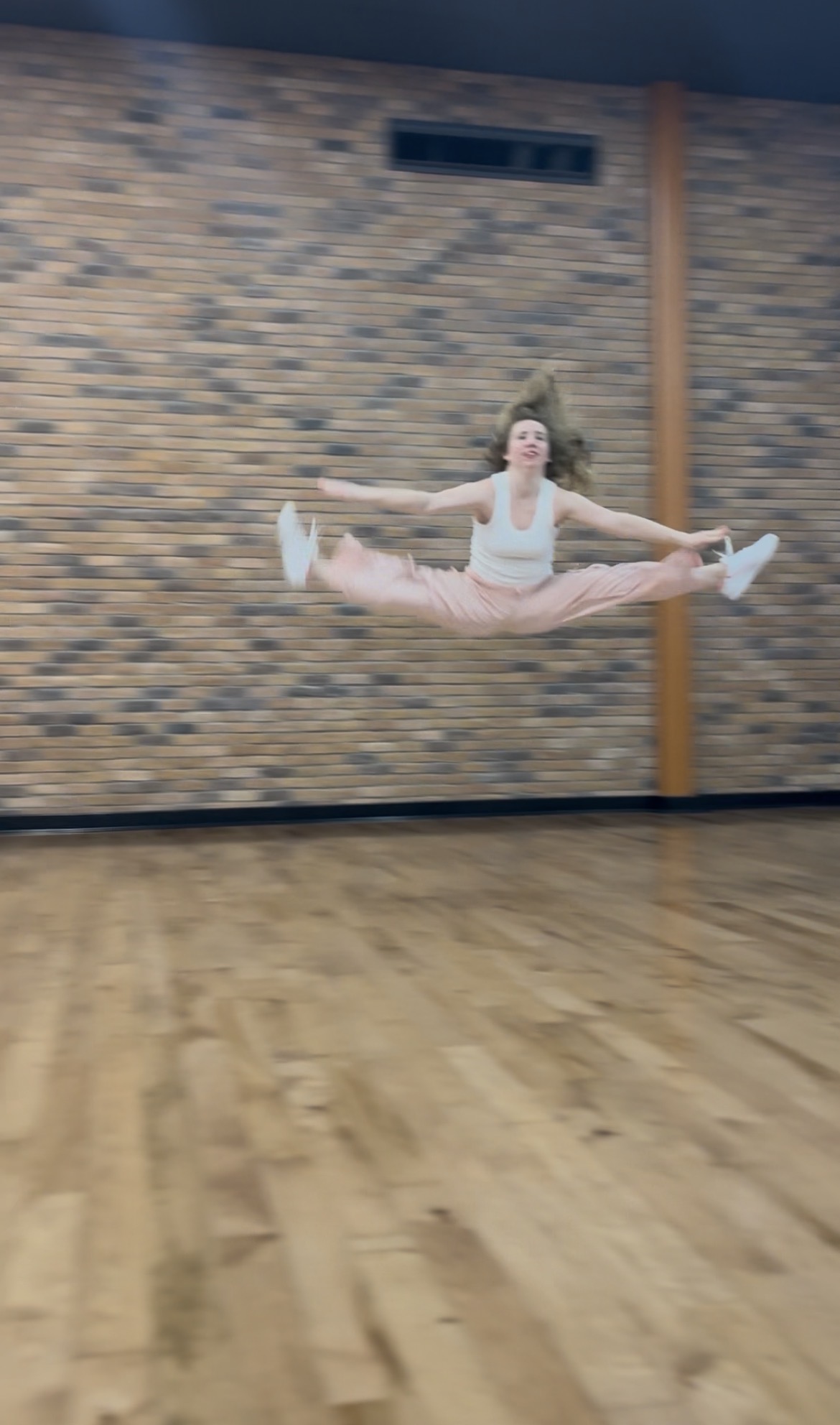
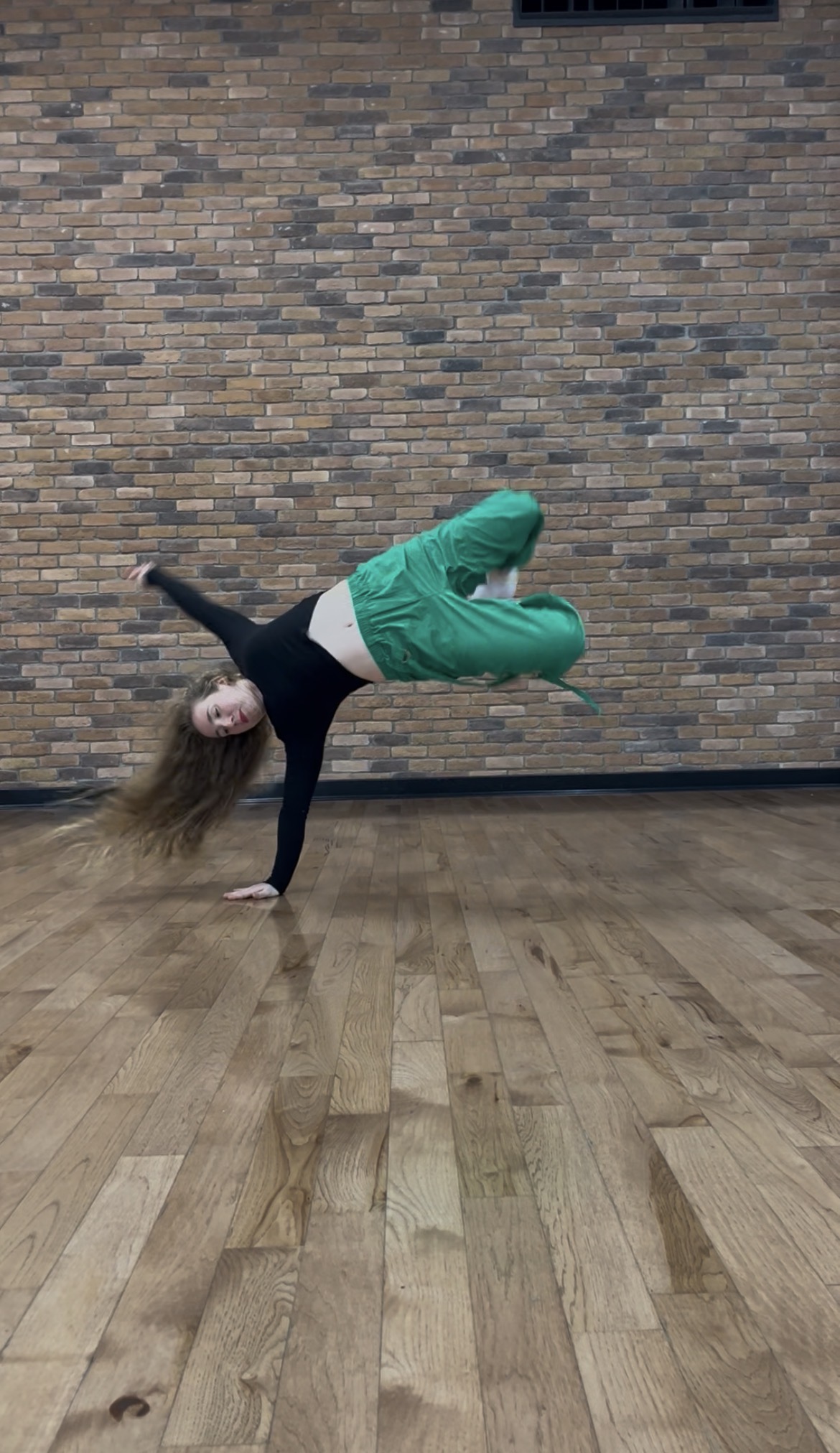
In ballet, souplesse (pronounced soo-pless) is a beautiful French term that means suppleness, flexibility, and fluidity of movement. It refers not only to the dancer’s physical ability to bend, arch, and stretch the body, but also to the graceful elasticity that connects one step to the next. A dancer with souplesse seems to flow like water—controlled, yet effortlessly soft.
The word comes from the French root souple, meaning “pliant” or “flexible.” But in ballet, souplesse goes far beyond the body—it describes an artistic quality that breathes life into movement. It’s what transforms pure technique into poetry.
🌷 Physical Souplesse: The Elasticity of the Body
At its most basic level, souplesse refers to flexibility of the spine, hips, and joints, allowing the body to move with ease through every position. This is seen most clearly in the upper body—especially in the port de bras (carriage of the arms) and épaulement (use of the shoulders and head).
When a dancer bends into a cambré back, or tilts into a deep penché arabesque, souplesse allows the motion to look seamless, not strained. It’s the result of careful conditioning, correct alignment, and breath-supported movement. Dancers train this through barre stretches, adagio exercises, and controlled releases of the torso.
In the Cecchetti method and other classical systems, flexibility must always be functional, not decorative. That means souplesse is never exaggerated to the point of distortion—it’s refined, harmonious, and always in service of line and balance. The dancer maintains lift through the spine and control through the core, even in the most extended poses.
🌼 Artistic Souplesse: The Fluidity of Expression
True souplesse cannot be achieved through flexibility alone. It’s an emotional softness, a plasticity of movement that reveals artistry. Think of it as the way a dancer “breathes” through choreography—the yielding of one shape into another, the continuous unfolding of energy.
A dancer with souplesse expresses emotion through physical motion. The arms are not lifted, they float. The head doesn’t turn sharply—it responds to the movement, creating a natural curve that completes the line.
In adagio, this quality is essential. The slowness of the music demands control, but souplesse gives it warmth and life. Each extension melts into the next, creating continuity. Without it, movement can appear mechanical, no matter how technically correct.
Ballet masters often describe souplesse as “the poetry of strength.” It’s the dancer’s ability to combine firmness of technique with gentleness of delivery. The body bends, but never breaks; it holds power within its calm flow.
🌹 Training for Souplesse
Developing souplesse takes both technical training and mindful artistry. Here are a few keys to cultivating it:
- Daily Stretching with Control – Gentle, consistent stretching develops flexibility without strain. Focus on lengthening rather than forcing.
- Fluid Port de Bras Practice – Work at the barre with slow, continuous arm movements, connecting breath to motion.
- Back Mobility Exercises – Controlled cambré, upper-back strengthening, and safe spinal articulation are essential.
- Adagio Work – Practice transitions, finding the in-between moments. The goal is to make the journey between positions as expressive as the destination.
- Breath Awareness – The rise and fall of breath should inform the rise and fall of the body.
- Emotional Connection – Feel the intention behind each phrase. Souplesse lives in emotion as much as in muscle.
It’s important for teachers to remind students that souplesse doesn’t come from pushing the body to extremes—it grows through trust, breath, and presence.
🌸 Souplesse in Ballet History and Style
Throughout ballet history, souplesse has been celebrated as a mark of refined artistry. In the Romantic era, ballerinas like Marie Taglioni used their upper body to create ethereal lightness; in the Russian school, dancers like Anna Pavlova embodied liquid grace that seemed to flow beyond the music.
In Cecchetti ballet, souplesse is woven into every port de bras and adage. The Cecchetti method emphasizes continuity and purity of line, teaching dancers to transition seamlessly from one movement to another, maintaining the illusion of unbroken flow.
Today, modern ballet companies still cherish souplesse as a quality that bridges classical form and human emotion. Whether performing Balanchine’s neoclassicism or a contemporary adagio, the dancer’s flexibility of both body and spirit communicates something timeless—the beauty of surrender within control.
💫 The Soul of Souplesse
To dance with souplesse is to move with grace that seems effortless, but is born of deep strength. It’s the quiet conversation between power and poetry. The body becomes a ribbon—fluid, expressive, and alive.
As Cecchetti himself said, “The dancer must be pliant as steel—not weak, but elastic.” That is the essence of souplesse: an artistry that bends without breaking, flowing with intention and heart.
Every dancer, no matter their level, can find souplesse in their own way—through patience, breath, and love for the music.
Much Love,
Jacklyn Dougherty
Visit JacklynDougherty.com for the Complete Guide to Ballet.